
Blogs

Rideshare Rental Mistakes to Avoid in Orlando, Tampa, and Lakeland Before You Start Driving
Choosing a Rideshare Rental can help Uber and Lyft drivers get on the road without purchasing a vehicle, but the wrong rental decision can quickly reduce weekly profit. In Orlando, Tampa, and Lakeland, drivers need to think beyond the advertised rate and consider platform approval, mileage limits, insurance, maintenance, fuel efficiency, local driving patterns, and contract terms before signing.
A reliable rental should make rideshare work easier, not create new financial problems. Avoiding a few common mistakes can help drivers protect their income, reduce downtime, and start with a plan that fits how they actually intend to drive.
What Are the Biggest Rideshare Rental Mistakes?
The most common mistakes include:
Renting before confirming driver approval
Assuming any rental car can be used for Uber or Lyft
Choosing based only on the lowest price
Ignoring mileage limits
Skipping the vehicle inspection
Not understanding insurance responsibilities
Overlooking maintenance and breakdown procedures
Failing to calculate fuel and toll costs
Accepting unclear renewal or return terms
Not tracking real net earnings
Each mistake can increase expenses or delay a driver from going online.
Mistake #1: Renting Before Your Driver Account Is Ready
A rental vehicle does not guarantee that Uber or Lyft will approve the driver.
Complete Personal Approval First
Before paying for a vehicle, drivers should complete as much of the platform application as possible, including:
Driver’s license verification
Identity confirmation
Background-check authorization
Profile information
Any required local documents
If the personal account remains pending, a driver could begin paying for a vehicle before being able to accept trips.
Confirm What Still Needs Approval
Ask the platform whether the only remaining step is vehicle submission. This helps reduce the chance of paying rental costs during a lengthy account-review process.
Mistake #2: Assuming Any Rental Car Can Be Used
A standard consumer rental vehicle is not automatically authorized for rideshare work.
Rideshare Use Must Be Permitted
Before choosing a rental for Uber and Lyft, confirm that the rental provider specifically allows the vehicle to be used on the intended platforms.
The provider should be able to explain:
Which platforms are authorized
What documents are supplied
Whether additional approval is required
Whether the vehicle is already intended for commercial rideshare use
Whether geographic restrictions apply
Using an unauthorized rental can lead to platform rejection or contract problems.
Mistake #3: Choosing Only by Weekly Price
A low advertised rate can attract attention, but it does not show the complete cost.
Look Beyond the Headline Number
A Cheap Rideshare Rental may include additional charges for:
Mileage
Processing
Late payments
Toll administration
Cleaning
Early return
Vehicle exchange
Deposits
Contract renewal
Ask for the full amount you could reasonably expect to pay during a normal week.
Compare Value, Not Just Price
A slightly higher rental rate may provide stronger value if it includes better mileage terms, a more fuel-efficient vehicle, easier maintenance, or clearer support.
Professional Rideshare Rental Companies should be transparent about costs before payment.
Mistake #4: Ignoring Mileage Limits
Mileage can become one of the biggest expenses for drivers who work long hours or accept frequent intercity trips.
Estimate Real Mileage
Include:
Passenger trips
Driving to pickup areas
Repositioning
Airport travel
Empty return trips
Personal use
Maintenance visits
Fuel stops
Do not estimate mileage based only on paid passenger distance.
Understand Overage Fees
Ask:
How many miles are included?
Is mileage measured weekly or monthly?
What is the overage rate?
Does personal use count?
Can the vehicle travel between Orlando, Tampa, and Lakeland?
A rental that looks inexpensive may become costly when mileage charges are added.
Mistake #5: Skipping the Pickup Inspection
Drivers should never accept a rental vehicle without checking its condition first.
Inspect the Exterior
Look at:
Tires
Windshield
Mirrors
Headlights
Brake lights
Turn signals
Existing scratches or dents
License plate
Inspect the Interior
Test:
Air conditioning
Windows
Door locks
Seat belts
Horn
Dashboard controls
Charging ports
Trunk access
Take dated photos or video before driving away. This creates a record of existing damage and can help prevent disputes later.
Mistake #6: Not Understanding Insurance
Insurance is one of the most important parts of any rideshare rental agreement.
Ask What Is Actually Covered
Drivers should confirm:
What insurance documentation is provided
What deductible may apply
Whether personal use is covered
What happens during an active rideshare trip
What happens while waiting for requests
How accidents must be reported
Whether unauthorized drivers are prohibited
Never rely only on the phrase “insurance included.” Ask for the written terms.
Know the Accident Procedure
Before beginning the rental, save:
The provider’s contact number
Platform support information
Insurance details
Accident reporting instructions
Knowing what to do before an incident occurs can reduce confusion later.
Mistake #7: Overlooking Maintenance Responsibilities
High-mileage rideshare driving requires regular maintenance.
Ask Who Handles Routine Service
Confirm responsibility for:
Oil changes
Tires
Brakes
Fluid service
Battery replacement
Warning lights
Mechanical repairs
Scheduled inspections
Also ask where the vehicle must be serviced and whether approval is required before repairs.
Understand Downtime Procedures
Drivers should know:
Is roadside assistance available?
Can a replacement vehicle be offered?
Do rental payments continue during repairs?
How are after-hours breakdowns handled?
Who pays for towing?
A clear maintenance process can protect valuable earning time.
Mistake #8: Choosing the Wrong Vehicle for Your Market
Different Central Florida markets create different driving demands.
Orlando Rental Mistakes
A Rideshare Rental Orlando vehicle may be used for airport runs, hotels, theme parks, conventions, downtown trips, and tourism corridors.
Choosing Too Little Luggage Space
A vehicle that is fuel-efficient but has very limited trunk space may not be practical for airport and hotel passengers.
A Lyft Rental Orlando option should balance fuel economy with passenger comfort and luggage capacity.
Ignoring Stop-and-Go Fuel Use
Orlando traffic can include frequent idling and congestion around attractions. Drivers should consider city fuel economy, not just highway numbers.
Tampa Rental Mistakes
A Rideshare Rental Tampa vehicle may regularly cover a large metro area.
Underestimating Regional Mileage
An Uber Rental Tampa vehicle may be used across Tampa, Brandon, Riverview, Clearwater, St. Petersburg, and surrounding areas.
Cross-bay and suburban trips can add mileage quickly.
Ignoring Return Trips
A long trip may pay well, but an empty return can reduce profit.
A Lyft Rental Tampa driver should evaluate destination demand before assuming every long ride is valuable.
Lakeland Rental Mistakes
A Rideshare Rental Lakeland vehicle may serve both local and intercity demand.
Treating Orlando and Tampa as Automatically Better
Driving empty from Lakeland to a larger city can waste fuel and time.
An Uber Rental Lakeland driver should first learn whether local trips can create paid movement toward Orlando or Tampa.
A Lyft Rental Lakeland plan should also include practical mileage terms for regional driving.
Mistake #9: Ignoring Fuel Efficiency
Fuel is a recurring business cost that can significantly affect net income.
Compare City and Highway Economy
Drivers who spend most of their time in congested urban areas should prioritize strong city performance.
Drivers who regularly accept longer trips should also consider highway efficiency.
Calculate Weekly Fuel Impact
Track:
Total miles
Fuel purchased
Average cost per tank
Idle time
Unpaid repositioning
A fuel-efficient vehicle may save more money over a month than a lower weekly rental rate.
Mistake #10: Failing to Understand Toll Policies
Central Florida drivers may regularly use toll roads.
Ask How Tolls Are Billed
Confirm:
Whether the vehicle includes a transponder
Whether tolls are billed directly
Whether administrative fees are added
Whether personal toll accounts are allowed
What happens if a toll remains unpaid
Small processing fees can add up when toll roads are used frequently.
Mistake #11: Not Reading Renewal Terms
Flexible rentals can still include strict renewal rules.
Confirm Payment Timing
Ask:
When is payment due?
Is renewal automatic?
Can the rate change?
Is there a grace period?
What happens after a missed payment?
Is the same vehicle guaranteed?
Weekly drivers should plan rental payments as fixed business expenses.
Understand Monthly Commitments
For longer rentals, ask whether:
Early return is allowed
Refunds are available
Minimum terms apply
Notice is required before cancellation
Do not assume “flexible” means penalty-free.
Mistake #12: Ignoring the Return Policy
The way a vehicle must be returned can affect the final cost.
Review Return Requirements
Ask about:
Fuel level
Cleaning expectations
Return location
Notice period
Late return fees
Inspection procedures
Deposit refund timing
Take photos at return just as you did at pickup.
Mistake #13: Driving Without a Profit Target
A rental only makes financial sense when earnings exceed the total cost of driving.
Calculate Your Break-Even Point
Use:
Gross earnings rental payment fuel tolls parking cleaning other expenses estimated net income
Drivers should know how much they need to earn each day before reaching profit.
Track Net, Not Just Gross
High app earnings can look impressive while operating costs remain too high.
Track:
Earnings per hour
Earnings per mile
Fuel cost
Dead miles
Toll expenses
Rental cost
Net profit
This gives a much clearer view of whether the rental is working.
Mistake #14: Chasing Every Busy Area
Driving toward every surge or busy zone can create unnecessary mileage.
Let Trips Move You
Instead of repeatedly repositioning long distances, use paid trips to move between areas when possible.
Avoid Empty Intercity Travel
A driver in Lakeland should not automatically drive to Orlando because the map appears busy. A Tampa driver should not cross the bay without considering demand at the destination. An Orlando driver should not enter an airport queue without checking wait conditions.
Good strategy reduces unpaid mileage.
Mistake #15: Failing to Ask Enough Questions
The best time to clarify the agreement is before making a payment.
When searching for a Rideshare Rental Near Me, ask:
Is the vehicle authorized for Uber and Lyft?
What is the complete rental price?
Is a deposit required?
Are there mileage limits?
Who handles maintenance?
What happens during a breakdown?
What insurance documentation is included?
What deductible applies?
How are tolls handled?
Is roadside assistance available?
Can I drive throughout Central Florida?
How does renewal work?
What is the return policy?
Are replacement vehicles subject to availability?
When does the paid rental period begin?
Clear answers help drivers compare options more confidently.
Start Driving With Fewer Surprises
A rideshare rental can be a practical way to work with Uber or Lyft without purchasing a vehicle, but drivers should treat the decision like a business investment.
Avoid renting before driver approval, choosing based only on price, ignoring mileage terms, skipping inspections, overlooking insurance, or failing to understand maintenance and return policies. Orlando drivers should consider tourism and airport needs, Tampa drivers should prepare for regional mileage, and Lakeland drivers should balance local demand with longer intercity travel.
Gigo Drive provides rideshare rental options for drivers throughout Orlando, Tampa, Lakeland, and surrounding Central Florida communities. Contact the team to discuss current availability, rental terms, mileage policies, and a vehicle option that fits your driving plan.
Gigo Drive Contact Information
Gigo Drive
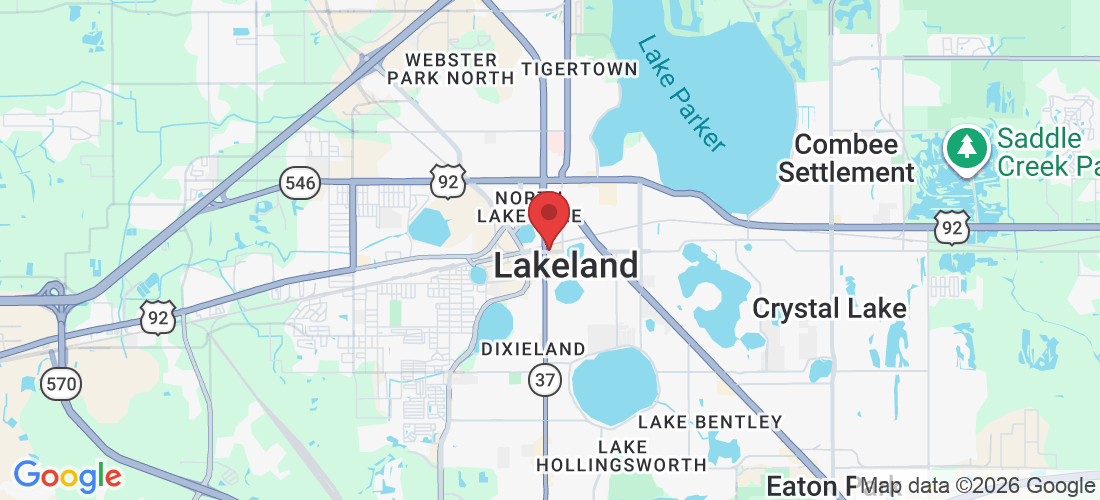
Orlando, Tampa and Lakeland, FL
+1 (888) 416-4446

GiGO Drive is Central Florida’s trusted vehicle rental partner, proudly serving rideshare and delivery drivers with flexible, reliable rentals. Whether you're driving for Uber, Lyft, DoorDash, Amazon Flex, or any other platform, we provide the vehicles, unlimited miles, and complete support you need to get on the road and start earning.
Business Hours
7:00 AM – 6:00 PM
Monday-Saturday
Contact Us
Address
Copyright Gigo Drive © 2025 | Privacy Policy | Terms & Condition
Powered by Sitefulia