
Blogs
Tampa Rideshare Rentals: How to Handle Slow Driving Weeks
Passenger demand does not stay consistent throughout the year, and Tampa rideshare drivers sometimes experience weeks when trip requests decline, earnings fall, and operating expenses remain unchanged. Choosing the right Rideshare Rental Tampa option can help drivers manage these fluctuations, but maintaining profitability also requires thoughtful scheduling, expense management, and realistic financial planning. A slow week does not necessarily mean renting is no longer worthwhile. It may simply mean your driving strategy needs to change.
Tampa Bay offers transportation opportunities across business districts, residential communities, entertainment venues, and airports. Understanding how these different markets operate can help drivers respond more effectively when their usual routes become less productive.
Why Do Rideshare Drivers Experience Slow Weeks in Tampa?
Slow rideshare weeks can result from seasonal travel patterns, fewer local events, changes in commuter behavior, increased driver competition, or broader economic conditions.
Demand may also shift between neighborhoods rather than disappear entirely. An area that performed well last month might generate fewer requests this week, while another part of Tampa Bay becomes more active.
Drivers should avoid assuming that one disappointing week represents a permanent decline in earning potential.
Recognize Seasonal Changes in Passenger Demand
Tampa attracts visitors for sporting events, conventions, vacations, and business travel. However, these activities fluctuate throughout the year.
Drivers who depend heavily on tourism or entertainment districts may experience quieter periods between major events.
A more balanced approach involves serving different passenger groups instead of relying exclusively on visitors or weekend nightlife.
Calculate the Minimum Earnings You Need Each Week
When business slows, understanding your financial break-even point becomes particularly important.
Your break-even point represents the income required to cover rental payments and operating expenses before generating profit.
Separate Fixed and Variable Expenses
A Rideshare Rental payment is generally a predictable expense during the agreed rental period. Fuel, tolls, cleaning, and other driving costs can change depending on how much you work.
During a slower week, reducing unnecessary mileage can help control variable expenses, even when the rental payment remains unchanged.
For example, imagine a hypothetical weekly rental expense of $300 and additional operating costs of $90. The driver needs $390 in earnings to cover those expenses before taxes.
If earnings reach only $450, the remaining operating profit is $60.
This example illustrates why managing expenses matters just as much as increasing trip volume.
Adjust Your Driving Schedule Instead of Simply Working Longer
A common response to declining earnings is spending more hours online. However, additional driving time does not always produce better results.
Drivers may benefit more from changing when they work than extending an unproductive shift.
Test Different Demand Periods
Morning commuting hours, afternoon airport arrivals, evening dining activity, and weekend entertainment can generate different passenger patterns.
An Uber Rental Tampa driver who normally works late evenings might test morning or afternoon shifts to identify stronger opportunities.
Track actual earnings during each period rather than assuming traditionally busy hours will always deliver the best results.
Avoid Unproductive Waiting
Remaining parked in a quiet area for an extended period can reduce hourly earnings.
Set a reasonable limit for waiting before reassessing your location. Moving to another nearby area may be useful, but repeatedly driving across Tampa without passengers can create unnecessary expenses.
Explore Different Tampa Bay Passenger Markets
Tampa Bay is geographically diverse. Drivers can encounter different transportation needs within a relatively broad regional market.
Downtown Tampa and Channelside
Downtown Tampa and the Channelside area combine offices, hotels, restaurants, residential developments, and entertainment destinations.
Passenger demand may vary according to business hours, scheduled events, and visitor activity.
A Lyft Rental Tampa driver experiencing fewer requests in one neighborhood may find opportunities by adjusting their schedule around these different activities.
Westshore and Tampa International Airport
The Westshore business district includes hotels, offices, shopping destinations, and access to Tampa International Airport.
Airport trips can provide earning opportunities, but waiting times, pickup procedures, and unpaid return mileage should be considered.
Drivers should follow current airport and platform requirements rather than assuming every airport visit will produce a profitable trip.
Residential and Suburban Communities
Brandon, Riverview, Carrollwood, and other surrounding communities may generate transportation requests connected to employment, shopping, appointments, and everyday activities.
Exploring residential demand can help drivers become less dependent on tourism and special events.
Reduce Empty Miles During Slow Periods
When passenger requests decline, unnecessary driving can become a significant financial burden.
Empty miles are miles driven without a paying passenger. These include repositioning trips, unsuccessful searches for demand, and returns from distant destinations.
Drivers comparing a Cheap Rideshare Rental should remember that an affordable rental rate cannot compensate indefinitely for inefficient driving habits.
Choose Repositioning Locations Carefully
Instead of driving toward a distant neighborhood based on uncertain demand, consider nearby locations with multiple potential passenger sources.
An area containing hotels, restaurants, offices, and residential buildings may offer more flexibility than a location dependent on one event or business.
Reducing unnecessary movement helps conserve fuel and protects earnings.
Compare Your Results Across Multiple Weeks
One slow week provides limited information. Reviewing several weeks of driving activity offers a clearer picture of your performance.
Record your total earnings, online hours, completed trips, mileage, and operating expenses.
These records can reveal whether your results are affected by weaker passenger demand, inefficient routes, longer waiting periods, or rising costs.
When evaluating Rideshare Rental Companies, use your actual driving records to determine which rental arrangements fit your business needs.
A decision supported by several weeks of information is generally more useful than reacting to one disappointing shift.
Consider Opportunities Beyond Tampa
Some Central Florida drivers have flexibility regarding where they work. However, changing markets should involve careful planning rather than chasing uncertain demand.
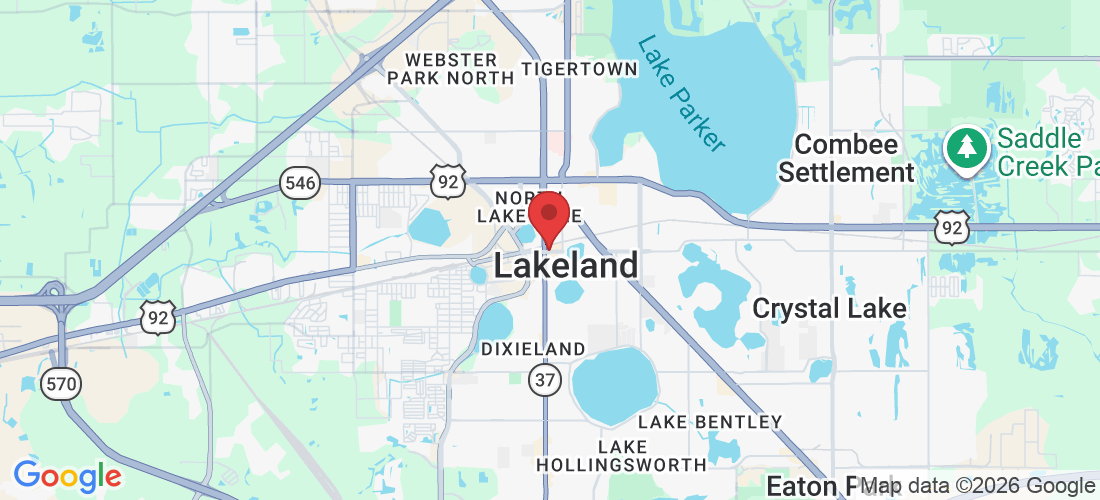
Evaluate Lakeland Driving Opportunities
A Rideshare Rental Lakeland option may be suitable for drivers living between Tampa and Orlando who want to reduce their commuting distance.
Lakeland offers transportation activity connected to local businesses, residential neighborhoods, shopping, and regional travel.
Drivers considering an Uber Rental Lakeland should compare local earning opportunities with the expenses of traveling to Tampa.
Similarly, a Lyft Rental Lakeland may be worth exploring if working closer to home reduces unpaid mileage.
Compare Orlando's Tourism Market
Orlando offers a different passenger mix, including theme park visitors, convention attendees, airport travelers, and hospitality workers.
A Rideshare Rental Orlando arrangement may appeal to drivers whose schedules or residential locations align with these markets.
However, an Uber Rental Orlando or Lyft Rental Orlando should not be considered an automatic solution to slow Tampa earnings.
Before changing markets, confirm platform eligibility, rental travel permissions, and whether additional mileage would outweigh potential earnings.
Review Your Rental Commitment During Extended Slow Periods
If lower earnings continue, reassess whether your current agreement remains financially appropriate.
Drivers searching for a Rideshare Rental Near Me should prioritize terms that match their realistic working hours and income expectations.
Communicate Before the Next Payment
If you anticipate difficulty covering the next rental period, contact your provider before payment becomes overdue.
Ask about available renewal arrangements, return requirements, or alternative vehicles. Do not assume that payments can be postponed or agreements changed without approval.
Clear communication gives you more time to make an informed decision.
Frequently Asked Questions About Slow Rideshare Weeks
Should I stop renting after one slow week?
Not necessarily. Review your earnings across several weeks, identify changing demand patterns, and determine whether adjusting your schedule could improve results.
Can driving for both Uber and Lyft help during slow periods?
Using multiple platforms may increase access to trip requests, provided your rental for Uber and Lyft meets each platform's eligibility requirements. Drivers should avoid accepting overlapping trips.
What should Lyft drivers prioritize when earnings decline?
When comparing rentals for Lyft drivers, prioritize manageable rental expenses, vehicle efficiency, transparent agreements, and terms that support realistic driving schedules.
Stay Prepared for Changing Demand With Gigo Drive
Slow driving weeks are part of the rideshare business, but they do not have to define your long-term results. Adjusting your schedule, controlling unnecessary mileage, monitoring expenses, and exploring different passenger markets can help you respond more effectively.
Gigo Drive provides rental options for drivers across Tampa, Orlando, and Lakeland. Whether you are reconsidering your current vehicle or planning your next driving period, contact the team to discuss available vehicles, current rental pricing, and agreement terms.
Make your rental decision based on your actual earnings, schedule, and financial goals.
Contact Gigo Drive
Gigo Drive
Orlando, Tampa and Lakeland, FL
Phone: +1 (888) 416-4446

GiGO Drive is Central Florida’s trusted vehicle rental partner, proudly serving rideshare and delivery drivers with flexible, reliable rentals. Whether you're driving for Uber, Lyft, DoorDash, Amazon Flex, or any other platform, we provide the vehicles, unlimited miles, and complete support you need to get on the road and start earning.
Business Hours
7:00 AM – 6:00 PM
Monday-Saturday
Contact Us
Address
Copyright Gigo Drive © 2025 | Privacy Policy | Terms & Condition
Powered by Sitefulia